

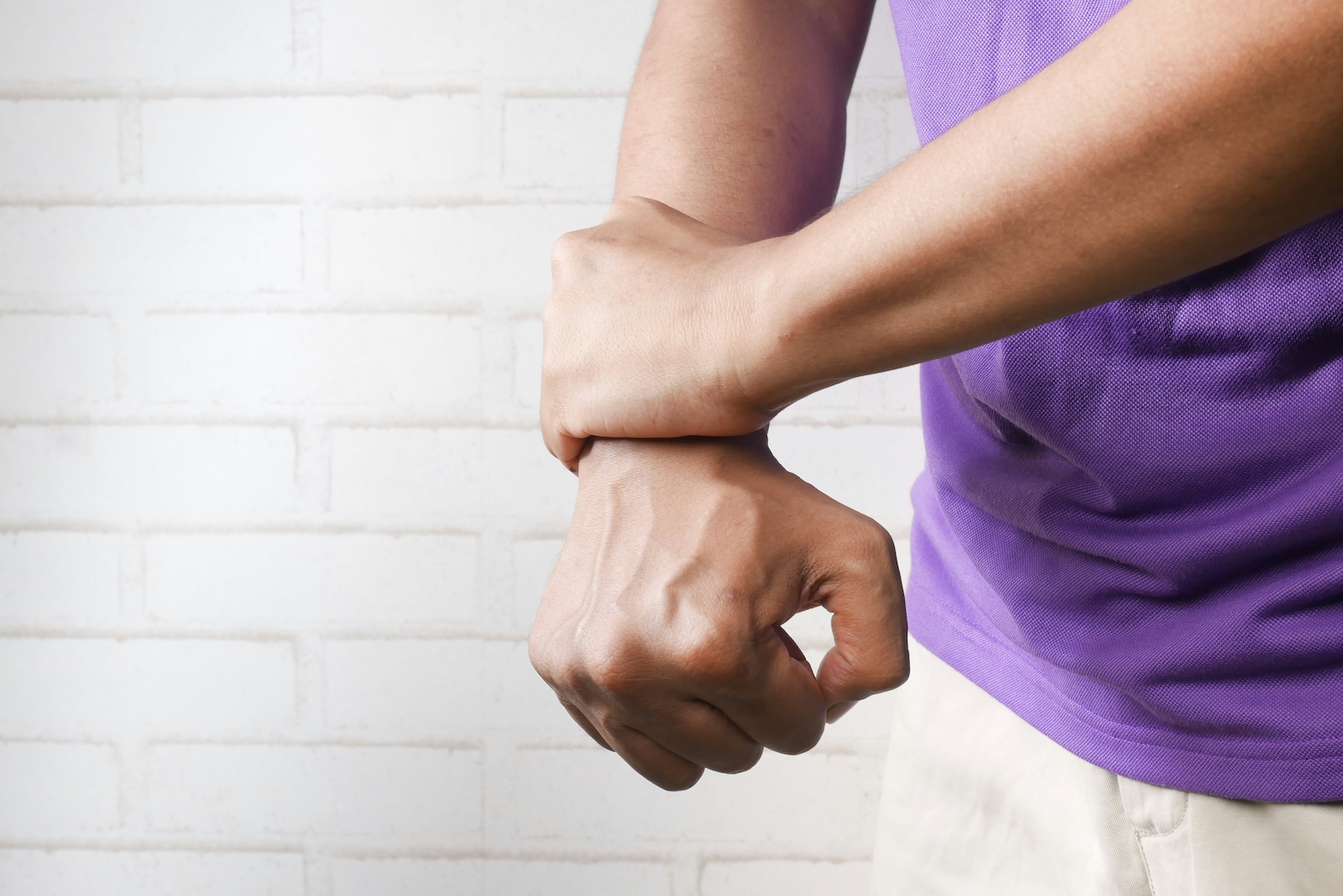
Carpal Tunnel Relief Without Surgery: A Natural Approach
Are you dealing with tingling, numbness, or pain in your wrist and hand? You might have Carpal Tunnel Syndrome (CTS). This common condition happens when a nerve running through your wrist gets pinched. While surgery is sometimes necessary, many people find relief through gentler methods. At I Know My Chiro in Manhattan, we offer effective, non-surgical care including chiropractic adjustments and soft-tissue therapy to ease your symptoms and restore normal function. Here's how it works and what you can do at home to help yourself heal.
Understanding Carpal Tunnel Syndrome
The carpal tunnel is a narrow pathway in your wrist. Inside this tunnel, the median nerve and several tendons pass through. When swelling, tightness, or misalignment happens in that area, the nerve gets squeezed. This causes the uncomfortable symptoms you're experiencing. Common causes include:- Repetitive hand or wrist movements
- Poor posture, especially when typing
- Tight muscles in the forearm and shoulder
- Previous wrist injuries
How Chiropractic Care Helps
Chiropractic care takes a whole-body view of your problem. Your chiropractor will examine more than just your wrist. They'll check your neck, upper back, shoulder, elbow, and hand too. Why? Because tight or misaligned structures above your wrist can pull on nerves or change how weight distributes through your wrist. We also use soft-tissue therapies on your forearm muscles, wrist flexors and extensors, and sometimes your shoulder. These techniques ease tension that might be making your symptoms worse. By treating the whole system, we often get better and longer-lasting results.Your Step-by-Step Treatment Plan
Step 1: Assessment and Alignment Your care starts with a complete assessment. We'll look at your posture, spine alignment, shoulder mobility, wrist range of motion, and nerve irritability. Then your chiropractor may perform gentle adjustments to your wrist and elbow joints, and often your neck and upper back. These adjustments restore proper alignment and nerve function. When your spine is well-aligned and your shoulder mechanics are good, there's less stress on your wrist. Step 2: Soft-Tissue Therapy Once your structure is in better shape, we begin soft-tissue work. We use several techniques: Manual myofascial release loosens tight forearm muscles that pull on the wrist. Instrument-assisted soft tissue mobilization (IASTM) breaks up scarred or stuck tissues around the wrist and forearm. Cross-fiber massage of wrist flexor and extensor tendons enhances mobility and reduces irritation. These therapies take pressure off the median nerve. They also improve circulation and help tissues heal faster. Step 3: Home Exercises and Stretches You'll receive gentle stretches and strengthening exercises to do at home. These are essential for your recovery. Key exercises include: Wrist stretches: Extend your arm with palm down. Use your other hand to gently pull your fingers toward you. Hold for 20 to 30 seconds. Then flip your palm up and repeat. Nerve glides: Hold your arm out to the side with elbow straight and palm up. Bend your wrist back and forth while tilting your head away and toward your arm. These movements help the nerve move freely within its tunnel. Grip strengthening: Squeeze a small soft ball for 5 to 10 seconds, then release. Repeat 10 to 15 times. This builds support around the wrist. Shoulder strengthening: Poor shoulder mechanics affect wrist load. Try exercises like shoulder blade pinches or band pull-aparts. Progress happens slowly and steadily. At first, you'll do only gentle stretches and glides. As your pain reduces, you'll move into strengthening exercises. Step 4: Lifestyle Changes Even the best treatment won't last if your daily habits continue to stress your wrist. Your Manhattan Chiropractor will evaluate how you use your phone, mouse, and keyboard. Typical recommendations include:- Keep wrists straight while working
- Position elbows at about 90 degrees
- Take frequent short breaks
- Alternate between different tasks
- Avoid sleeping with wrists bent under your body
Timeline for Recovery
Recovery time depends on how long you've had symptoms and how much tissue damage exists. If your symptoms started recently with minimal nerve damage, you might feel relief in 2 to 4 weeks. For longer-lasting cases, expect 8 to 12 weeks of consistent care and home exercises. The keys to success are early intervention, consistent effort, and avoiding activities that make symptoms worse.When Surgery Might Be Necessary
Surgery remains the best choice when conservative care doesn't work. This includes cases with severe nerve damage, muscle wasting, or persistent pain and numbness despite treatment. However, many people can avoid or delay surgery by following a complete protocol of chiropractic care, soft-tissue work, home exercises, and ergonomic improvements.Why Choose I Know My Chiro
At I Know My Chiro, we understand that your wrist pain may have deeper roots. We don't just treat your wrist. We examine your neck, shoulder, posture, and how you use your hands every day. This complete approach often leads to more meaningful and lasting relief. If you're ready to explore safe, effective non-surgical care for carpal tunnel symptoms, we're here to help. Visit our website or give us a call to schedule your assessment and start your journey toward less pain and better function.


Tags
Back Pain
Chiropractic Care
Chiropractor
Chiropractor Manhattan
Chiropractor Near Me
Headaches
Health
IKMC
I Know My Chiro
Lower Back Pain
Manhattan Chiropractor
Massage Therapy
Midtown Manhattan
Mobility
Muscle Tension
Neck Pain
NYC Chiropractor
Pain Relief
Physical Therapy
PiezoWave2 Therapy
Posture
Shoulder Pain
Spinal Adjustment
Spinal Health
Wellness